
Need help? Call us:
+971 56 232 5908
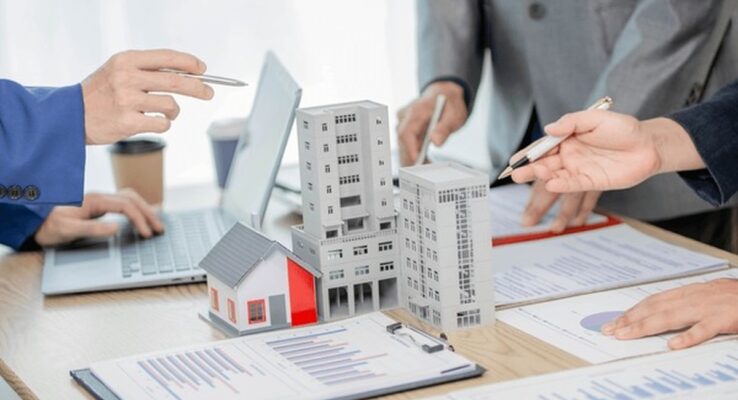
Short Description: Explore the dynamic Real Estate Market in Abu Dhabi. Understand why off-plan properties are dominating investor interest in 2026, offering lower entry points and high capital gains potential.
Real Estate Market in Abu Dhabi continues to demonstrate exceptional strength as we move through 2026, particularly within the segment of unbuilt or under-construction developments. For many global investors, the Real Estate Market in Abu Dhabi has become the primary destination for secure capital allocation due to the city’s transparent legal framework and robust economic fundamentals. Off-plan properties, which refer to assets purchased before their physical completion, have emerged as the most sought-after vehicle for wealth generation in the capital. This surge in popularity is not accidental but is the result of deliberate policy shifts, flexible payment structures, and the high quality of new master-planned communities. As the city expands its urban footprint to accommodate a growing professional population, the data suggests that those who commit early to these new projects stand to gain the most from future price appreciation.
Current State of the Real Estate Market in Abu Dhabi
The 2026 landscape of the Real Estate Market in Abu Dhabi is defined by a flight to quality and a preference for sustainable, tech-integrated living. Government statistics show a significant increase in the volume of transactions, with off-plan sales accounting for a substantial portion of the total market activity. This trend is supported by the Department of Municipalities and Transport (DMT), which has implemented advanced digital registration systems to ensure every transaction is logged and protected. The appetite for property is fueled by a mix of local buyers seeking upgraded lifestyles and international investors looking for tax-efficient returns. The capital’s focus on long-term infrastructure, such as the Etihad Rail and the expansion of cultural districts, provides a solid foundation for the continued health of the property sector. Understanding these macro-economic drivers is essential for anyone looking to navigate the current market successfully.
Factors Driving Off-Plan Popularity
Several key factors have converged to make off-plan properties the preferred choice in the Real Estate Market in Abu Dhabi. First and foremost is the price advantage; buying at the launch phase typically allows purchasers to secure a unit at a lower rate than a ready-to-move-in property in the same area. Secondly, the modern payment plans offered by major developers allow for staggered payments that are often linked to construction milestones, reducing the immediate financial pressure on the buyer. In 2026, many developers have introduced 1% monthly payment options or 40/60 structures, where a large portion of the cost is paid only upon handover. These incentives make property ownership accessible to a wider demographic, including younger professionals and first-time investors who may not have a massive lump sum available for a down payment.
Financial Incentives and Capital Appreciation
Profitability in the Real Estate Market in Abu Dhabi is often highest for those who enter a project at its inception. As construction progresses, the perceived risk decreases and the market value of the unit naturally rises. By the time the building is completed, the investor may already be sitting on 15% to 25% capital appreciation. Furthermore, off-plan buyers benefit from the latest building codes and interior finishes, ensuring their asset remains modern and competitive in the rental market for years to come. In 2026, we are also seeing developers offer waivers on registration fees or service charges for the first few years, adding another layer of financial benefit. This combination of lower entry costs and guaranteed modernization makes the off-plan segment an incredibly attractive proposition for those focused on ROI.
Shift Toward Sustainable and Smart Communities
The modern consumer in the Real Estate Market in Abu Dhabi is no longer satisfied with just a roof over their head. There is a massive demand for “future-proof” homes that incorporate renewable energy, water recycling, and smart home automation. Off-plan developments in 2026 are leading the way in this regard, with many projects aiming for high Pearl ratings under the Estidama system. These sustainable features are not just good for the planet; they significantly lower utility bills for tenants, making the properties easier to rent out. Areas like Masdar City and the newer phases of Al Reem Island are setting the standard for what a 21st-century urban community should look like. Investors are recognizing that green buildings are more likely to retain their value as global and local regulations on carbon emissions become stricter.
Top Investment Zones in the Real Estate Market in Abu Dhabi
Not all areas are created equal. Success in the Real Estate Market in Abu Dhabi depends on identifying districts with high demand and limited supply.
Yas Island: The Entertainment Hub
Yas Island remains a powerhouse in the Real Estate Market in Abu Dhabi. Known globally for its theme parks and racing circuit, it has transitioned into a fully functional residential community. Off-plan projects here often sell out within hours of launch because investors recognize the constant demand from tourists, short-term renters, and high-income professionals. In 2026, the development of new waterfront promenades and boutique retail centers has further enhanced the island’s appeal. The rental yields on Yas Island are consistently among the highest in the city, particularly for villas and high-end apartments. For an investor, Yas Island represents a “safe bet” due to its established reputation and the continuous government investment in its attractions.
Saadiyat Island: Cultural Luxury
For those targeting the ultra-luxury segment of the Real Estate Market in Abu Dhabi, Saadiyat Island is the undisputed leader. Home to the Louvre Abu Dhabi and the future Guggenheim, this district offers a lifestyle that combines beachside living with world-class culture. Off-plan developments on Saadiyat are characterized by low-density designs, high-end materials, and expansive floor plans. While the entry price is higher than in other zones, the capital appreciation potential is enormous as the island nears its final stage of development. In 2026, the focus has shifted toward “wellness-centric” residences that offer direct access to protected mangroves and white-sand beaches. Saadiyat is the choice for investors looking for prestige and long-term value preservation.
Al Reem Island: Urban Connectivity
Al Reem Island continues to serve as the residential heart for the city’s workforce. In the Real Estate Market in Abu Dhabi, Al Reem is valued for its proximity to the central business district and its wide range of property types, from affordable studios to luxury penthouses. Recent off-plan launches on the island have focused on integrated community living, featuring parks, schools, and medical facilities within walking distance of residential towers. The island’s mature infrastructure and active secondary market make it a highly liquid location for investors. In 2026, the completion of new bridges and road networks has reduced commute times even further, maintaining high occupancy rates across the island. It remains a staple for anyone building a diversified property portfolio.
Legal Protections for Off-Plan Buyers
One of the reasons the Real Estate Market in Abu Dhabi is so popular is the high level of security provided by the government to protect investors from project failure.
Escrow Account Regulations
The most important safeguard in the Real Estate Market in Abu Dhabi is the mandatory use of escrow accounts. When you buy an off-plan property, your payments do not go directly to the developer’s general bank account. Instead, they are deposited into a project-specific account monitored by the government. Funds can only be released to the developer as they hit verified construction milestones. This ensures that the money you pay is actually being used to build your specific property. If a developer fails to meet their obligations, the escrow system provides a mechanism for the funds to be returned or for a new developer to take over the project. This system has virtually eliminated the risk of “disappearing” developers that was seen in the early days of the region’s property boom.
DMT Registration and Title Deeds
Every off-plan transaction in the Real Estate Market in Abu Dhabi must be registered with the Department of Municipalities and Transport. Upon signing the sale and purchase agreement and making the initial payment, the buyer receives an interim title deed (often called ‘Oqood’). This document is a legal proof of your ownership interest in the future property. In 2026, the registration process is almost entirely digital, providing an immutable record that prevents the same unit from being sold twice. This transparency is a major draw for international investors who are used to the strict property laws of their home countries. Once the building is completed and the final payment is made, this interim deed is converted into a full title deed registered in the permanent land registry.
Developer Accountability and Quality Control
The government of Abu Dhabi has implemented strict rules regarding the licensing of developers. Only those with a proven track record and strong financial backing are permitted to launch new projects. Furthermore, every building must undergo rigorous inspections by municipal authorities before a completion certificate is issued. In the Real Estate Market in Abu Dhabi, this means that the “as-built” quality of the property is held to a very high standard. Many developers also offer a one-year defect liability period and a ten-year structural warranty, giving buyers peace of mind. This focus on accountability has built deep trust in the market, encouraging repeat investments from both locals and expats.
Financial Strategies for 2026 Investors
Maximizing returns in the Real Estate Market in Abu Dhabi requires a calculated approach to financing and asset management.
Navigating Payment Plans
The variety of payment plans in the Real Estate Market in Abu Dhabi allows investors to choose a strategy that fits their cash flow. For those with significant capital, paying a larger percentage upfront might secure a discount on the total price. For others, the post-handover payment plan is the ultimate tool for high ROI. This allows the investor to rent out the property once it’s finished and use the rental income to pay off the remaining installments to the developer. In 2026, we are seeing more “interest-free” developer financing, which is often more attractive than a traditional bank mortgage. Evaluating these different structures is just as important as evaluating the property itself.
Mortgage Options for Off-Plan Units
While developer plans are popular, many banks in the UAE also offer mortgages for off-plan properties in the Real Estate Market in Abu Dhabi. Typically, a bank will provide financing once the project has reached a certain stage of completion (often 20% or 30%). For a first-time buyer, this can be an excellent way to bridge the gap between their savings and the total cost. In 2026, mortgage rates have remained competitive, and many banks have streamlined the approval process for residents and non-residents alike. It is important to work with a mortgage broker who understands the specific requirements for off-plan lending to ensure you get the best terms possible.
Secondary Market Exit Strategies
An often overlooked aspect of the Real Estate Market in Abu Dhabi is the ability to sell an off-plan contract before the property is even finished. This is known as “flipping” in some markets, though in Abu Dhabi, it is a regulated process. Once a buyer has paid a certain percentage of the price (usually 30% to 40%), they are permitted to sell their interest to another buyer. This allows the original investor to realize their capital appreciation without ever having to take out a mortgage or pay the final handover fees. For a savvy investor, this can lead to massive annualized returns on the actual cash invested. However, this strategy requires a deep understanding of market timing and the specific demand for the project in question.
Future Outlook: Abu Dhabi 2030 and Beyond
The long-term prospects for the Real Estate Market in Abu Dhabi are exceptionally positive, driven by the city’s strategic vision for the future.
Economic Diversification and Population Growth
Abu Dhabi is aggressively diversifying its economy away from oil, focusing on technology, tourism, and advanced manufacturing. This economic shift is bringing a new wave of high-skilled professionals to the city, all of whom need places to live. In the Real Estate Market in Abu Dhabi, this translates to a long-term demand for quality housing. The government’s plan to increase the population of the capital significantly by 2030 ensures that the “supply-demand” balance remains favorable for property owners. As more multinational companies set up their regional headquarters in the city, the requirement for both residential and commercial real estate will continue to grow, providing a steady upward pressure on prices and rents.
Integration with Global Transport Networks
The completion of the Etihad Rail passenger service and the expansion of the cruise terminal are major catalysts for the Real Estate Market in Abu Dhabi. These infrastructure projects make the city more accessible and integrated with the rest of the UAE and the world. Properties located near rail stations or the airport are expected to see a “connectivity premium” in their valuations. For investors, buying in areas that are slated for future transport links is a classic way to ensure superior capital growth. In 2026, the physical connectivity of the city is better than ever, making it a more attractive place to live for those who work across different emirates. This regional integration is a key pillar of the market’s future stability.
The Evolution of “Human-Centric” Design
The future of the Real Estate Market in Abu Dhabi lies in the creation of environments that prioritize the well-being of the residents. We are seeing a move away from isolated towers toward walkable, mixed-use neighborhoods where work, play, and living are all interconnected. Off-plan developments are now including vast green spaces, urban farms, and community centers as standard features. This shift is driven by the realization that people are willing to pay a premium for a better quality of life. Investors who choose projects that offer these “soft” amenities will find their properties are much more resilient to market fluctuations. The focus on the human experience is what will differentiate the winners in the property market over the next decade.
Frequently Asked Questions: Real Estate Market in Abu Dhabi
Why should I buy off-plan in the Real Estate Market in Abu Dhabi?
Buying off-plan typically allows you to secure a lower price compared to ready properties, benefit from flexible payment plans, and enjoy higher capital appreciation as the project nears completion. It also ensures you own a modern asset with the latest technologies.
Is my money safe when buying off-plan in the Real Estate Market in Abu Dhabi?
Yes, the government mandates that all payments for off-plan units be held in an escrow account. These funds are only released to the developer based on construction progress, significantly reducing the risk of project abandonment.
Can I sell my off-plan property before it is finished?
Most developers in the Real Estate Market in Abu Dhabi allow you to sell your unit once a specific percentage of the total price (usually 30-40%) has been paid. This allows investors to exit early and realize their capital gains.
What are the registration fees for the Real Estate Market in Abu Dhabi?
A 2% transfer fee is typically paid to the Abu Dhabi Municipality for property registration. However, some developers may offer to waive this fee as an incentive during the launch phase of an off-plan project.
What is a post-handover payment plan?
This is a financial arrangement where a portion of the property price is paid over several months or years after you have already received the keys. This is very popular among investors as it allows them to use rental income to pay off the property.