
Need help? Call us:
+971 56 232 5908
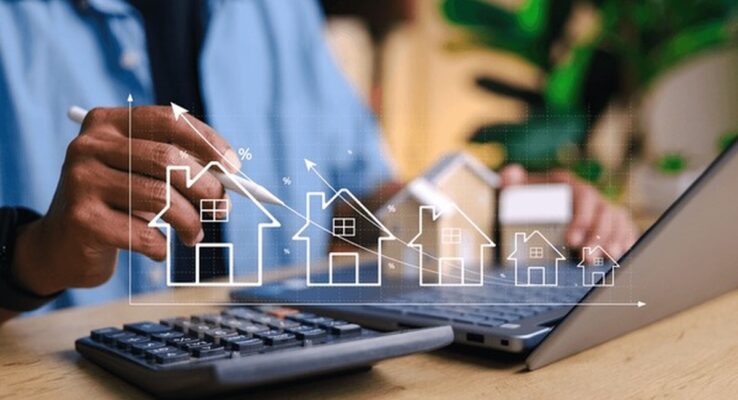
Description: Understand the transformation of Real Estate Development in Abu Dhabi through smart city technology. This 2026 analysis details how data-driven urban planning is creating new opportunities for global investors.
Real Estate Development in Abu Dhabi represents the pinnacle of modern urban transformation in the Middle East. As the capital of the United Arab Emirates continues to expand its physical and digital boundaries, the integration of smart city technology has become a fundamental pillar of the industry. Choosing to engage with Real Estate Development in Abu Dhabi means participating in a forward-thinking ecosystem where data, sustainability, and quality of life are prioritized. In 2026, the sector has moved beyond simple construction projects to focus on comprehensive urban districts that utilize the Internet of Things (IoT) to manage resources effectively. This shift ensures that every residential, commercial, and industrial project contributes to the city’s broader economic goals while providing residents with a lifestyle that is both technologically advanced and environmentally responsible. This report details the mechanisms driving these changes and how they affect property values and long-term investment security.
The Evolution of Real Estate Development in Abu Dhabi
The history of the capital is marked by rapid growth, but the current phase of Real Estate Development in Abu Dhabi is defined by intelligence and efficiency. The transition from traditional building methods to smart infrastructure represents a major milestone for the region. Developers are now using Building Information Modeling (BIM) and digital twins to plan projects with extreme precision. This reduces waste and allows for more accurate timelines. The 2026 market shows a clear preference for projects that include built-in smart systems for energy management and security. This is not just a trend but a response to the global demand for sustainable living spaces. As the city matures, the focus remains on creating high-quality environments that can adapt to the needs of future generations.
Smart Infrastructure as a Market Driver
In the context of Real Estate Development in Abu Dhabi, smart infrastructure refers to the underlying systems that make a city function. This includes automated waste management, smart grids for electricity and water, and intelligent transport systems. By 2026, these features have become standard requirements for new master-planned communities. Investors are increasingly looking for assets that are “future-proofed” against energy price fluctuations and climate change. Smart infrastructure provides this security by optimizing resource consumption and reducing the overall operational costs of buildings. This leads to higher net yields for owners and a more attractive value proposition for potential tenants who value efficiency and lower utility bills.
Digital Twins and Urban Planning Precision
One of the most advanced aspects of Real Estate Development in Abu Dhabi is the use of digital twins. A digital twin is a virtual replica of a physical asset that allows developers to simulate various scenarios before construction begins. In 2026, this technology is used to analyze wind patterns, sun exposure, and traffic flow around new developments. By simulating these factors, planners can optimize building orientation and material choices to improve thermal comfort and reduce energy requirements. This scientific approach to development ensures that the physical growth of the city is balanced with the practical needs of its inhabitants, creating a more harmonious urban environment.
Economic Diversification through Property Projects
The government’s vision for economic diversification is heavily supported by Real Estate Development in Abu Dhabi. While oil remains a significant part of the economy, the growth of the non-oil sector is visible in the new tourism, technology, and cultural districts. These projects attract international talent and corporations, which in turn creates a steady demand for various property types. In 2026, the synergy between government policy and private development is stronger than ever. New regulations encourage the creation of mixed-use spaces where people can live, work, and socialize without the need for long commutes. This “15-minute city” concept is a key driver for new urban projects, enhancing the city’s global competitiveness.
Sustainable Growth in Real Estate Development in Abu Dhabi
Sustainability is no longer an optional feature in Real Estate Development in Abu Dhabi; it is a mandatory requirement for long-term success.
The Impact of Green Building Standards
The Estidama Pearl Rating System has transformed how Real Estate Development in Abu Dhabi is conducted. This system ensures that every project meets high standards for water conservation, energy efficiency, and material selection. By 2026, many projects are achieving the highest ratings, demonstrating the capital’s commitment to the environment. These green buildings are more than just an ethical choice; they are sound financial investments. Properties that adhere to strict sustainability criteria tend to maintain their value better over time and have lower vacancy rates. Tenants are increasingly aware of their environmental footprint and are willing to pay a premium for spaces that promote health and conservation.
Water Security and Conservation Technologies
In a desert environment, water is the most precious resource, and Real Estate Development in Abu Dhabi has become a global leader in water conservation. Modern developments utilize greywater recycling systems, moisture-sensing irrigation for landscapes, and high-efficiency plumbing fixtures. In 2026, these systems are often connected to a central building management platform that can detect leaks in real-time. This level of control prevents waste and significantly reduces the service charges associated with property maintenance. For the broader city, these decentralized conservation efforts are vital for ensuring long-term resource security as the population continues to grow.
Renewable Energy Integration in New Projects
Solar energy is a natural advantage for the region, and Real Estate Development in Abu Dhabi is maximizing this potential. Many new residential and commercial buildings feature integrated solar panels that contribute to the building’s total energy needs. By 2026, some districts are even achieving “Net Zero” status by producing as much energy as they consume. This shift toward renewable energy is supported by government incentives and a mature supply chain for solar technology. For investors, this means lower risk related to future energy costs and the ability to market their properties as leaders in the global transition to clean energy.
Investment Trends in Real Estate Development in Abu Dhabi
The investment landscape for Real Estate Development in Abu Dhabi is characterized by stability and transparent regulations.
The Popularity of Freehold Investment Zones
The designation of specific areas as freehold investment zones has been a major catalyst for Real Estate Development in Abu Dhabi. Areas like Yas Island, Saadiyat Island, and Al Reem Island allow international buyers to own property and land outright. In 2026, these zones continue to see the highest levels of demand due to their world-class amenities and clear legal frameworks. The ease of doing business in these areas attracts both individual investors and large institutional funds. This global capital allows for more ambitious projects and ensures that the market remains liquid and vibrant, even during periods of global economic uncertainty.
Capital Appreciation and Long-Term Yields
Investors choose Real Estate Development in Abu Dhabi because of the balance between capital appreciation and rental yields. Unlike more volatile markets, the capital offers steady growth backed by strong fundamental demand. In 2026, rental yields in prime smart districts remain competitive, often outperforming major global cities. The long-term nature of the city’s master plan gives investors confidence that their property will remain relevant and desirable for decades. By focusing on quality and infrastructure, the city ensures that property is not just a speculative asset but a reliable vehicle for wealth preservation and growth.
Secondary Market Resilience and Upgrades
While new projects often get the most attention, Real Estate Development in Abu Dhabi also includes the revitalization of older districts. In 2026, there is a growing trend of “retrofitting” existing buildings with smart technology and energy-efficient systems. This increases the lifespan of these assets and allows them to compete with newer developments. For investors, buying in established areas and upgrading the property to modern standards can offer excellent returns. This cycle of renewal is a sign of a healthy and mature real estate market that values its existing inventory while continuing to push the boundaries of what is possible with new construction.
Technology and the Resident Experience
The ultimate goal of Real Estate Development in Abu Dhabi is to improve the lives of the people who live and work in the city.
Connected Living and Home Automation
The internal environment of properties in Real Estate Development in Abu Dhabi has been revolutionized by home automation. Residents in 2026 can control their climate, lighting, and security systems via mobile devices or voice commands. These smart homes are not just about convenience; they are about data. Smart meters allow residents to track their energy and water usage in real-time, encouraging more responsible consumption patterns. This connectivity also extends to community services, with residents able to book facilities, report maintenance issues, and communicate with property managers through dedicated apps, creating a more responsive and efficient living experience.
Safety and Security in Smart Districts
Security is a top priority for residents, and Real Estate Development in Abu Dhabi utilizes advanced technology to maintain the city’s reputation as one of the safest in the world. Smart surveillance systems with AI capabilities can identify unusual activity and alert authorities instantly. In 2026, these systems are integrated with emergency services to ensure rapid response times. For families and businesses, this level of security provides peace of mind and contributes to the overall stability of the property market. The use of biometrics and secure digital access also makes buildings more convenient for authorized users while providing a high barrier against unauthorized entry.
Public Spaces and Community Wellbeing
Modern Real Estate Development in Abu Dhabi focuses on the spaces between buildings as much as the buildings themselves. Smart parks with interactive lighting, outdoor cooling systems, and public Wi-Fi are common features in 2026. These areas are designed to encourage social interaction and physical activity, which is essential for a healthy community. By creating vibrant public spaces, developers increase the desirability of the surrounding properties. The inclusion of native plants and sustainable landscaping techniques also helps to cool the local environment and provides a habitat for local wildlife, making the city a more pleasant place to live throughout the year.
Future Projections for Real Estate Development in Abu Dhabi
Looking ahead, the trajectory of Real Estate Development in Abu Dhabi is pointed toward even greater innovation and global integration.
AI-Driven Facility Management
The management of buildings is becoming more proactive thanks to Artificial Intelligence. In 2026, Real Estate Development in Abu Dhabi incorporates AI systems that can predict when a piece of equipment, such as an elevator or an air conditioning unit, is likely to fail. This allows for maintenance to be performed before a breakdown occurs, reducing costs and minimizing inconvenience for residents. This predictive approach to facility management ensures that buildings remain in peak condition for longer, protecting the investment of the owners and providing a consistently high level of service for tenants. As these systems become more common, they will become a standard benchmark for quality in the industry.
3D Printing and Modular Construction
To keep up with demand, Real Estate Development in Abu Dhabi is exploring faster and more efficient construction techniques. 3D printing of building components and modular construction are gaining ground in 2026. These methods allow for parts of a building to be manufactured in a controlled factory environment and then assembled on-site. This significantly reduces construction time and improves the precision of the build. It also allows for more creative and complex architectural designs that would be difficult to achieve with traditional methods. These innovations are helping the city to grow more rapidly while maintaining the high standards of quality that the market expects.
The Global Benchmarking of the Capital’s Market
The success of Real Estate Development in Abu Dhabi has made it a global case study for smart urban growth. By 2026, the city is frequently ranked alongside major world capitals for its infrastructure and quality of life. This global recognition attracts a more diverse range of investors and residents, further fueling the growth of the property sector. The city’s commitment to transparency, sustainability, and technology serves as a model for other emerging economies. As the market continues to evolve, the focus will remain on creating a resilient and prosperous urban environment that serves the needs of all its stakeholders, from the individual tenant to the large-scale developer.
Frequently Asked Questions: Real Estate Development in Abu Dhabi
What makes Real Estate Development in Abu Dhabi unique compared to other cities?
The uniqueness lies in the government-led master planning and the focus on “Smart City” integration from the ground up. In 2026, the capital prioritizes long-term sustainability and quality over pure density, creating a more balanced and livable urban environment compared to many other rapidly growing global hubs.
How does smart technology affect property values in Real Estate Development in Abu Dhabi?
Smart technology generally increases property value by reducing operational costs and improving the resident experience. Buildings with high-efficiency systems and integrated automation often command higher rents and have better resale values because they are cheaper to run and provide a modern lifestyle that is in high demand.
Are there specific rules for international investors in Real Estate Development in Abu Dhabi?
International investors can buy property in designated “Investment Zones” under freehold ownership. In 2026, these zones are well-established and offer a clear legal process for registration and ownership, providing the same level of security as in other major international property markets.
What is the role of the Estidama Pearl Rating in Real Estate Development in Abu Dhabi?
Estidama is a mandatory sustainability framework that ensures buildings are designed and constructed to be environmentally friendly. It measures performance in areas like water, energy, and waste. For a developer, achieving a high Pearl Rating is essential for getting project approvals and marketing the property to eco-conscious buyers.
Can I invest in commercial Real Estate Development in Abu Dhabi?
Yes, the commercial sector is a significant part of the market, especially in districts like the Abu Dhabi Global Market (ADGM) on Al Maryah Island. In 2026, there are various opportunities for investing in office spaces, retail outlets, and industrial logistics hubs that cater to the city’s diversifying economy.