
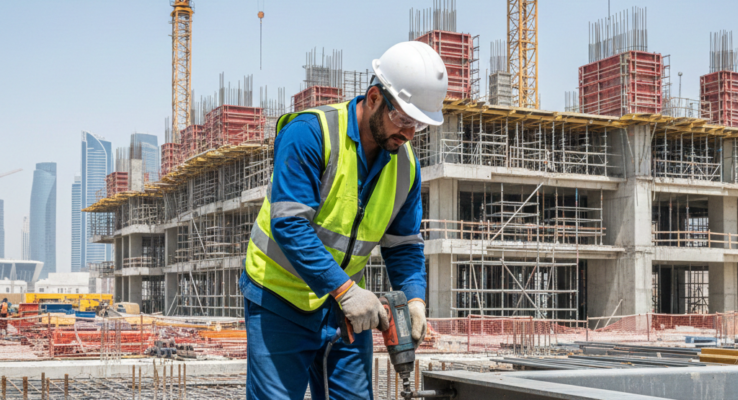
Building Maintenance in Abu Dhabi is a complex, critical discipline that goes far beyond simple repairs. It is the comprehensive and strategic management of a property’s entire lifecycle, ensuring compliance, energy efficiency, and operational continuity under some of the world’s most demanding environmental conditions. The successful longevity of commercial, residential, and mixed-use properties in the Emirate hinges entirely on the competency of the Facility Management (FM) team. This management function acts as the integrator, coordinating technical, administrative, and financial resources to protect the significant capital investment represented by the property. The unique climate, which subjects Mechanical, Electrical, and Plumbing (MEP) systems to perpetual stress, mandates a shift from reactive repairs to advanced predictive and preventative methods for all facets of Building Maintenance in Abu Dhabi. Proper execution not only prevents catastrophic system failures but also directly impacts occupant safety, comfort, and the overall financial performance of the asset.
The Strategic Imperative of Building Maintenance in Abu Dhabi
The financial performance and market standing of any property in the UAE are intrinsically linked to the quality of its maintenance program. In a highly competitive real estate market, properties that boast documented, high-quality care attract premium tenants and retain higher valuations. Therefore, the strategic approach to Building Maintenance in Abu Dhabi is viewed by asset owners not as an overhead cost, but as a value-preserving function. Facility Managers are tasked with developing long-term capital expenditure plans based on accurate condition assessments, ensuring that critical systems are replaced before they fail, minimizing operational downtime and the need for costly emergency interventions. This forward-thinking strategy contrasts sharply with reactive maintenance, which inevitably leads to spiraling costs and reduced asset lifespan.
The facility manager’s strategic mandate for Building Maintenance in Abu Dhabi involves aligning maintenance policies with corporate financial goals. This means implementing energy conservation measures, optimizing human resources, and utilizing technology to gain deep insight into asset performance. A poorly maintained building suffers from decreased energy efficiency, premature material degradation, and increased non-compliance risks, all of which erode profitability. Conversely, a well-managed program contributes positively to the building’s net operating income (NOI), demonstrating the direct financial impact of expert Building Maintenance in Abu Dhabi.
Environmental Stressors: The Challenge for Building Maintenance in Abu Dhabi
The Gulf climate presents extreme stressors. Continuous exposure to intense ultraviolet (UV) radiation accelerates the breakdown of external materials, including sealants, paints, and polymer components on rooftops. The high ambient temperature, often exceeding 45 degrees Celsius, forces HVAC systems to run continuously, drastically shortening the lifespan of compressors and motors. Furthermore, the combination of high humidity and heat speeds up corrosion of metal components, particularly in exposed plant rooms and near coastal areas, creating an environment where deterioration is constant.
The perpetual presence of fine desert sand and dust is another critical factor impacting Building Maintenance in Abu Dhabi. This particulate matter clogs air filters within days, reduces the efficiency of condenser coils, and penetrates sensitive mechanical and electrical components, leading to overheating and premature failure. Facility managers must account for these environmental variables by scheduling preventative maintenance at frequencies significantly higher than international norms, often requiring daily or weekly checks on critical filters and coils to maintain system efficiency and performance standards required in the local context of Building Maintenance in Abu Dhabi.
The Facility Manager as the Central Executor of Building Maintenance in Abu Dhabi
The Facility Manager serves as the primary conductor, orchestrating all technical and operational aspects of a building. Their responsibilities span numerous domains, including Mechanical, Electrical, Plumbing (MEP) management, Civil and Structural upkeep, fire safety systems, cleaning, security, and energy performance. This requires a unique blend of technical engineering knowledge, administrative competence, and strong vendor management skills. For large-scale properties, the Facility Manager is often responsible for managing multi-million-dirham budgets and extensive teams of technicians and sub-contractors, all under the umbrella of effective Building Maintenance in Abu Dhabi.
A key operational duty is the planning and execution of all maintenance strategies—corrective (fixing failures), preventive (scheduled tasks), and predictive (condition-based monitoring). They must decide when to replace an asset versus repair it, analyze energy consumption data, and ensure that all building systems meet the stringent regulatory standards enforced by Abu Dhabi authorities. The role requires constant communication with tenants or residents to manage expectations and minimize disruptions caused by essential Building Maintenance in Abu Dhabi activities.
MEP Systems: The Operational Core of Building Maintenance in Abu Dhabi
MEP systems are the lifelines of any modern Abu Dhabi building, and their continuous, optimal function is non-negotiable.
The Mechanical system is dominated by the HVAC infrastructure, which consumes the largest portion of the operational budget. Effective Building Maintenance in Abu Dhabi for HVAC includes quarterly professional coil cleaning, calibration of thermostats, and verification of chiller performance curves. The Electrical system requires annual thermographic inspections of distribution boards to identify overheating connections before they cause catastrophic failure or fire. The Plumbing system demands frequent checks for leaks, flushing of drainage lines to prevent sand and sediment buildup, and descaling procedures for water storage tanks and hot water generators, all crucial for preserving the integrity of the asset through competent Building Maintenance in Abu Dhabi.
Facility Managers must establish key performance indicators (KPIs) for these systems, tracking metrics such as Mean Time Between Failures (MTBF) and overall energy consumption. Regular audits of the system capacity versus current operational load allow the FM to anticipate future system needs and manage the equipment within optimal operating parameters. This detailed, data-driven approach is fundamental to controlling operational costs associated with comprehensive Building Maintenance in Abu Dhabi.
Implementing Predictive and Preventative Maintenance in Building Maintenance in Abu Dhabi
The shift toward predictive and preventative maintenance (PPM) models is essential for managing sophisticated infrastructure in the Abu Dhabi climate. Preventative maintenance involves scheduled tasks based on time intervals or usage, such as monthly filter replacements or annual chiller service. This approach significantly reduces the probability of equipment breakdown by addressing minor wear before it escalates. The proactive nature of PPM distinguishes it from reactive repair work, offering greater stability for occupants and financial predictability for owners regarding Building Maintenance in Abu Dhabi.
Predictive maintenance (PdM) goes a step further by using technologies like vibration analysis, acoustic monitoring, and thermal imaging to assess the actual condition of equipment while it operates. For instance, using thermal cameras on electrical panels can spot a loose, overheating connection days or weeks before it trips a breaker, allowing for a planned outage and repair instead of an emergency shutdown. Using vibration sensors on large pumps or motors can detect bearing wear months in advance. Implementing these high-technology monitoring systems is now a requirement for world-class Building Maintenance in Abu Dhabi, moving the management process from guesswork to precision engineering.
Technology Integration: CMMS and IoT for Building Maintenance in Abu Dhabi
A Computerized Maintenance Management System (CMMS) is the indispensable digital platform supporting modern Building Maintenance in Abu Dhabi. The CMMS centralizes all operational data: asset registers, maintenance history, spare parts inventory, and labor allocation. It automatically generates work orders for all scheduled PPM tasks and tracks the response time and resolution of corrective work. This provides a detailed, auditable history for every piece of equipment, which is critical for warranty claims and demonstrating due diligence to regulators.
The integration of the Internet of Things (IoT) sensors is rapidly transforming Building Maintenance in Abu Dhabi. Sensors placed on critical assets, such as chillers, pumps, and air handling units (AHUs), transmit real-time performance data (temperature, pressure, vibration) back to the CMMS. This allows the system to automatically trigger a work order for inspection only when a performance anomaly is detected, optimizing technician deployment and maximizing equipment runtime. This data-driven, systematic approach represents the highest standard of property care.
Structural Integrity and Facade Upkeep in Building Maintenance in Abu Dhabi
The building’s structural and facade elements face constant environmental assault, demanding specialized upkeep procedures. The immense thermal expansion and contraction cycles put stress on joints and materials, leading to cracking and deterioration of the external envelope. The primary goal of structural Building Maintenance in Abu Dhabi is to maintain the waterproofing and integrity of the facade to prevent water and dust ingress, which causes internal damage and mold growth.
Routine inspections must focus on the roof membrane, parapet walls, and all expansion joints. These areas are prone to thermal stress failures. Re-sealing and re-caulking the building envelope with UV-resistant, high-elasticity sealants is a cyclical maintenance requirement. Failure to manage facade sealants is the single greatest cause of long-term deterioration in a commercial building. Facility Managers must schedule high-rise facade cleaning and inspection using specialized access equipment (cradle systems or Rope Access Technicians) to identify hairline cracks and joint failures before they become major leaks, ensuring the aesthetic and protective qualities of the asset are preserved during the required Building Maintenance in Abu Dhabi procedures.
Managing Corrosion and Concrete Degradation in Building Maintenance in Abu Dhabi
Corrosion of reinforcing steel (rebar) within concrete is a major long-term structural risk, especially in the humid coastal areas. The ingress of chlorides from the sea air through microscopic cracks accelerates this process, leading to concrete spalling (flaking). Facility Managers responsible for Building Maintenance in Abu Dhabi must implement a monitoring program that includes periodic structural assessments by civil engineers.
For older buildings, mitigation often involves cathodic protection systems or specialized concrete repair techniques using polymer-modified mortar to restore structural strength. Parking garages and basement levels are particularly susceptible to water damage and chemical attack from vehicles, requiring specialized waterproof coatings and regular structural surveys. Proactive management of concrete integrity is paramount, as large-scale structural repairs are immensely costly and disruptive, underlining the importance of rigorous Building Maintenance in Abu Dhabi.
Fire and Life Safety (FLS) Compliance in Building Maintenance in Abu Dhabi
Compliance with the Abu Dhabi Civil Defense FLS codes is a mandatory, non-negotiable aspect of operating any commercial or residential building. The Facility Manager carries the ultimate responsibility for ensuring all FLS systems—fire alarm panels, sprinkler systems, smoke detectors, fire pumps, and emergency lighting—are fully functional and compliant at all times. Failure to maintain these systems can result in severe legal penalties, high fines, and, most critically, endanger occupants. The FLS system is a critical component of public safety and must be treated with the highest priority in the Building Maintenance in Abu Dhabi schedule.
FLS maintenance requires a strict regimen of weekly, monthly, and annual checks. Weekly tests include checking the fire pump operation and alarm panel functionality. Monthly checks involve testing smoke detectors and emergency lights. Annual checks require full system performance testing, certification by a Civil Defense-approved vendor, and sometimes, witnessing by Civil Defense officers. Maintaining accurate, auditable logbooks of all FLS maintenance and testing activities is essential for the Facility Manager to prove due diligence and compliance during regulatory inspections, a key deliverable of expert Building Maintenance in Abu Dhabi.
Emergency Preparedness and Evacuation Planning in Building Maintenance in Abu Dhabi
The Facility Manager’s role in FLS extends beyond physical equipment maintenance to developing and practicing emergency response plans. This includes regular evacuation drills, ensuring occupants are familiar with emergency exits and assembly points. The FM must ensure that all staff and maintenance personnel are trained in basic fire fighting and emergency response protocols. This focus on human readiness complements the technical upkeep of the FLS equipment.
Furthermore, the Facility Manager must ensure all evacuation routes remain clear, accessible, and properly signed. Fire doors must be checked for proper sealing and closing mechanisms. Any temporary modifications or construction work within the building must not compromise fire safety integrity. This proactive approach to both technical and human elements of FLS forms a comprehensive safety framework, a core requirement for responsible Building Maintenance in Abu Dhabi.
Energy Management and Efficiency Optimization in Building Maintenance in Abu Dhabi
Given the high energy consumption necessary for cooling in Abu Dhabi, energy efficiency is a central financial and environmental concern. The Facility Manager plays a pivotal role in optimizing energy use without sacrificing occupant comfort. An effective energy management program is a continuous cycle of auditing, measurement, implementation, and verification, representing a significant area of focus for strategic Building Maintenance in Abu Dhabi.
The first step is a detailed energy audit to identify the biggest consumers, almost always the HVAC system. Optimization measures include adjusting chilled water set-points seasonally, installing Variable Frequency Drives (VFDs) on pumps and fans to match output to actual load, and implementing smart lighting controls (e.g., occupancy sensors, daylight harvesting) to minimize unnecessary consumption. Sub-metering key systems (HVAC, lighting, common areas) allows the Facility Manager to accurately track consumption and identify areas of waste quickly, transforming the building’s cost profile through diligent Building Maintenance in Abu Dhabi practices.
Water Conservation and Management in Building Maintenance in Abu Dhabi
Water scarcity makes conservation a high priority. The Facility Manager must actively monitor water usage and identify any anomalies. This involves regular checks for leaks in the primary plumbing network and the building’s irrigation system. Installing low-flow fixtures (taps, toilets, showers) significantly reduces consumption without impacting user experience.
For landscape irrigation, the Facility Manager should implement a smart irrigation controller that adjusts watering schedules based on local weather data and plant needs, avoiding wasteful practices. For properties with cooling towers, managing water treatment to prevent scale buildup and reduce bleed-off frequency is a major focus area. These detailed conservation efforts are not just environmentally responsible but also provide significant operational cost reductions, reinforcing the value of meticulous Building Maintenance in Abu Dhabi.
Vendor and Contract Management for Building Maintenance in Abu Dhabi
Large-scale Building Maintenance in Abu Dhabi is rarely managed solely by in-house teams; it involves coordinating a network of specialized vendors and contractors (e.g., chiller maintenance specialists, fire protection certifiers, facade cleaners). The Facility Manager is the key person responsible for defining the scope of work, managing the bidding process, negotiating service contracts, and overseeing the performance of these third parties. Poor vendor management leads to inconsistent service quality, scheduling conflicts, and ultimately, asset degradation.
A well-written Service Level Agreement (SLA) is critical. It must clearly define key performance indicators (KPIs) such as guaranteed response times for emergencies, Mean Time To Repair (MTTR), and the quality standards for materials and labor. The Facility Manager must conduct regular performance reviews, holding vendors accountable to the SLA. This requires detailed record-keeping via the CMMS to provide objective data on vendor performance, ensuring that every dirham spent on Building Maintenance in Abu Dhabi delivers maximum value.
Spare Parts Inventory and Procurement in Building Maintenance in Abu Dhabi
Managing the spare parts inventory is a critical administrative function. Given the reliance on international supply chains and the urgency of repairs in a hot climate, having critical spare parts immediately available is vital. The Facility Manager must accurately forecast the need for long-lead items (e.g., proprietary control boards, specialized motors) and maintain a minimum stock level for common consumables (filters, refrigerants, belts).
This inventory management is typically handled through the CMMS, which tracks usage and triggers automatic re-order requests. The cost of carrying inventory must be balanced against the cost of downtime. For instance, the cost of storing a spare chiller compressor is justified by the fact that a chiller failure renders a large portion of the building uninhabitable. Strategic procurement and inventory management are indispensable elements of timely and effective Building Maintenance in Abu Dhabi.
Occupant Comfort and Quality of Life: The Human Element in Building Maintenance in Abu Dhabi
While much of Building Maintenance in Abu Dhabi focuses on technical systems, the ultimate measure of success is occupant satisfaction. The Facility Manager serves as the link between the physical asset and the people who use it. A well-maintained building contributes directly to the productivity of commercial tenants and the wellbeing of residential occupants. Poor maintenance, conversely, generates frequent complaints, decreases morale, and leads to high tenant turnover.
The Facility Manager must implement an effective helpdesk or work request system that allows occupants to report issues easily and tracks resolution times transparently. Managing these corrective maintenance requests efficiently—prioritizing urgent issues like air conditioning failure or safety hazards—is essential. Furthermore, the FM must proactively manage issues like noise and vibration from mechanical plant, ensuring preventative measures are in place to minimize operational disruptions, thus maintaining the high quality of experience expected within premium properties.
Indoor Air Quality (IAQ) Management for Building Maintenance in Abu Dhabi
Indoor Air Quality is a health and operational priority, especially considering the high levels of external dust. The Facility Manager must ensure that HVAC filtration systems are operating with the correct filter grades (e.g., MERV ratings) and that filters are replaced according to a strict schedule. Deep cleaning of air ducts and AHU internal components must be performed periodically to prevent the accumulation of dust, allergens, and microbial growth (mold).
Monitoring internal humidity levels is also critical. High internal humidity not only leads to discomfort but promotes mold growth on finishes. The Facility Manager must ensure dehumidification cycles within the HVAC system are properly functioning to maintain humidity within acceptable comfort and safety ranges. Proactive IAQ management is a distinguishing factor for high-quality Building Maintenance in Abu Dhabi.
The Role of Asset Management and Capital Planning in Building Maintenance in Abu Dhabi
The Facility Manager’s strategic responsibility includes long-term asset management. This involves forecasting the remaining useful life (RUL) of all major building components—HVAC equipment, elevators, roofs, and generators—and developing a multi-year capital expenditure (CapEx) plan. This plan ensures that funds are available for major replacements when needed, avoiding emergency funding crises and allowing replacements to be scheduled efficiently during off-peak periods, minimizing disruption to occupants.
A detailed asset register, continuously updated through the CMMS, forms the foundation of this planning. The FM uses condition assessment data (from predictive maintenance sensors and inspections) to adjust RUL forecasts dynamically. For example, if a chiller is consistently showing high vibration and inefficiency, its planned replacement date might be brought forward in the CapEx schedule. This integration of technical data and financial planning is the pinnacle of sophisticated Building Maintenance in Abu Dhabi, preserving the value of the property for decades.
Financial Reporting and Budget Control for Building Maintenance in Abu Dhabi
Facility Managers are vital in financial reporting, providing clear, transparent updates to owners and investors. They must track the operational expenditure (OpEx) for maintenance, comparing actual costs against the budget. Deviations must be explained, whether due to unforeseen corrective repairs or fluctuations in utility costs.
Effective budget control requires accurate forecasting of utility consumption and preventative maintenance costs. The FM’s ability to demonstrate cost savings through energy efficiency projects or reduced emergency call-outs provides tangible evidence of the value delivered by the maintenance program. In essence, the Facility Manager translates technical competence into financial performance, proving that proactive Building Maintenance in Abu Dhabi is a profit protector, not just a cost center.
Sustainability and Green Initiatives in Building Maintenance in Abu Dhabi
Abu Dhabi has strong governmental commitments to sustainability, and the Facility Manager is on the front line of implementing green initiatives through effective maintenance. This involves minimizing the environmental footprint of the building through energy and water conservation, responsible waste management, and the use of sustainable maintenance materials. Green building certifications (like Estidama or LEED) require rigorous, auditable maintenance standards to be maintained post-certification.
The FM is responsible for sourcing environmentally friendly cleaning chemicals, managing the segregation and disposal of building waste (including hazardous materials like used oil and batteries), and ensuring that any renovations use low-VOC (Volatile Organic Compound) materials. Furthermore, maximizing the efficiency of the HVAC system, which often utilizes high-GWP (Global Warming Potential) refrigerants, by preventing leaks and ensuring proper recovery during service is a key sustainability function. These practices are increasingly integrated into the standards expected for all modern Building Maintenance in Abu Dhabi.
The Future of Building Maintenance in Abu Dhabi: Digital Twins and AI
The field of Building Maintenance in Abu Dhabi is rapidly evolving with the adoption of Digital Twin technology and Artificial Intelligence (AI). A Digital Twin is a virtual replica of the physical building, continuously fed real-time data from IoT sensors and the CMMS. This model allows the Facility Manager to run simulations to test maintenance strategies, predict the impact of system failures, and optimize energy use in a virtual environment before applying changes to the real building.
AI and machine learning are being applied to analyze the vast datasets collected by the CMMS and IoT network. AI algorithms can identify subtle patterns in equipment performance that precede failure, generating highly accurate, condition-based maintenance alerts. This moves the process from predictive to prescriptive maintenance, where the system not only predicts the failure but also recommends the optimal corrective action, further enhancing the efficiency and responsiveness of Building Maintenance in Abu Dhabi.
The Importance of Documentation and Record Keeping in Building Maintenance in Abu Dhabi
Detailed and accurate documentation is not a secondary task; it is a foundational requirement for responsible property management. For every aspect of Building Maintenance in Abu Dhabi, the Facility Manager must ensure that comprehensive records are kept, including all service reports, parts used, system schematics, warranty information, and compliance certificates. Poor documentation can lead to costly errors, non-compliance fines, and significant difficulties during system upgrades or property sales.
The CMMS serves as the central repository for this information, linking all documentation directly to the specific asset. During a property transaction, the quality and completeness of maintenance records are a key factor in the buyer’s due diligence, directly impacting the perceived value of the asset. A clean, verifiable history of proactive Building Maintenance in Abu Dhabi assures the prospective buyer or investor of the building’s operational health and compliance status, mitigating financial risk.
Training and Development for Building Maintenance in Abu Dhabi Personnel
The technical complexity of modern buildings requires a highly skilled maintenance workforce. The Facility Manager is responsible for ensuring that all technicians receive regular, up-to-date training, especially on new technologies (e.g., smart building systems, VFDs) and local safety regulations (Abu Dhabi Civil Defense codes). Training should cover both technical skills (e.g., specialized welding, diagnostics) and soft skills (e.g., customer service, incident reporting).
Investing in the continuous professional development of the maintenance team enhances their efficiency, reduces errors, and improves safety outcomes. Certified technicians are better equipped to perform accurate root cause analysis of failures, moving beyond simple symptom treatment to long-term problem resolution. A knowledgeable and empowered team is the most crucial asset in delivering high-quality Building Maintenance in Abu Dhabi.
Detailed Frequently Asked Questions (FAQ) about Building Maintenance in Abu Dhabi
What is the primary operational challenge for Building Maintenance in Abu Dhabi?
The main operational challenge is the severe climate, which includes extreme heat and fine dust. These factors drastically shorten the lifespan of mechanical equipment (HVAC) and accelerate the degradation of external materials (facades, roofing), necessitating much higher frequency of preventative maintenance tasks than in other regions.
How often should chiller units be serviced as part of Building Maintenance in Abu Dhabi?
Due to the continuous high load, chillers require intensive quarterly inspections and a comprehensive annual service (including eddy current testing and oil analysis) to maintain peak efficiency, prevent failure, and comply with energy performance benchmarks. This frequency is critical for effective Building Maintenance in Abu Dhabi.
What is the importance of a CMMS in modern Building Maintenance in Abu Dhabi?
A Computerized Maintenance Management System (CMMS) is essential for centralizing asset data, automating preventative work order scheduling, tracking technician labor and costs, managing spare parts inventory, and providing a complete, auditable history of all maintenance activities for compliance and reporting.
What is the Facility Manager’s role in FLS (Fire and Life Safety) compliance for a building?
The Facility Manager is responsible for ensuring all FLS systems (alarms, sprinklers, fire pumps) are tested, inspected, and certified by approved vendors according to Abu Dhabi Civil Defense codes. They also manage emergency plans, conduct drills, and maintain meticulous FLS documentation.
What is the most common cause of electrical failure in Building Maintenance in Abu Dhabi?
Loose connections and corrosion are primary causes, often accelerated by high load demand and ambient humidity. Annual thermographic inspection of all main distribution boards (DBs) is the most effective preventative measure against these overheating failures.
How can predictive maintenance (PdM) save costs in Building Maintenance in Abu Dhabi?
PdM uses sensors (vibration, acoustic, thermal) to monitor equipment condition in real-time, allowing maintenance to be performed precisely when needed, rather than on a fixed schedule. This maximizes equipment runtime, reduces the risk of catastrophic failure, and minimizes unplanned downtime, directly reducing OpEx.
What is the best practice for managing external facade sealants?
Facade sealants must be inspected annually and replaced cyclically (typically every 5-10 years) using UV- and heat-resistant, high-elasticity materials. Failing sealants allow water and dust ingress, leading to internal damage and thermal inefficiency, making this a high priority in Building Maintenance in Abu Dhabi.
How does the Facility Manager contribute to energy conservation?
They conduct energy audits, implement optimization measures such as VFDs and smart lighting controls, adjust HVAC set-points, and monitor sub-metering data to quickly identify and correct consumption anomalies, significantly reducing utility costs in Building Maintenance in Abu Dhabi.
What risk does hard water pose to the plumbing system?
Hard water, common in Abu Dhabi, accelerates the buildup of mineral scale (calcium and magnesium) in pipes, fixtures, and water heaters. This reduces flow, lowers water heating efficiency, and can eventually cause premature failure of pipework and expensive appliances.
What is a capital expenditure (CapEx) plan, and why does the Facility Manager create one?
A CapEx plan is a multi-year forecast (often 5-10 years) for the replacement of major building assets (chillers, elevators, roofs). The FM creates it by assessing the Remaining Useful Life (RUL) of equipment to ensure funds are budgeted and available, avoiding financial surprises and allowing for efficient replacement scheduling.
How should dust infiltration into the HVAC system be managed?
Dust management requires a strict schedule of high-frequency filter replacement (often monthly or bi-weekly), regular professional cleaning of condenser and evaporator coils (at least quarterly), and ensuring positive pressure is maintained in sensitive areas to keep dust out.
What metrics are used to measure vendor performance in Building Maintenance in Abu Dhabi?
Key metrics include adherence to the Service Level Agreement (SLA), guaranteed response time to emergencies, Mean Time To Repair (MTTR), quality of documentation, and the rate of call-backs (issues fixed improperly the first time). These are tracked via the CMMS.
What is the significance of the “thermal envelope” in Building Maintenance in Abu Dhabi?
The thermal envelope is the boundary between the conditioned internal space and the external environment (walls, roof, windows). Maintaining its integrity (seals, insulation) is vital for thermal efficiency. If compromised, conditioned air leaks out, forcing the HVAC system to work much harder, leading to massive energy waste.
How does a Facility Manager manage the human element of maintenance?
By implementing a transparent work order system, communicating planned outages in advance, minimizing disruption during repair work, and promptly addressing occupant complaints related to comfort, noise, or system failure, thus ensuring high occupant satisfaction.
What is a thermographic inspection, and why is it used?
A thermographic inspection uses specialized cameras to detect infrared radiation (heat). It is used to scan electrical panels and mechanical equipment to identify areas of abnormal heat (hot spots), which indicate loose connections or internal component friction. This allows for proactive repair before a failure occurs, a core PdM strategy.
What is the role of a Digital Twin in the future of Building Maintenance in Abu Dhabi?
The Digital Twin is a virtual, real-time replica of the building. It allows the Facility Manager to simulate maintenance scenarios, test energy optimization strategies, and predict the outcome of system changes without impacting the actual physical building, leading to more data-driven and efficient decisions.
What is the single biggest asset depreciation factor managed by Building Maintenance in Abu Dhabi?
The most rapid depreciation occurs in the MEP systems, particularly the HVAC units. Continuous, high-stress operation in the climate dictates a shorter RUL compared to temperate zones. Proactive, high-frequency maintenance is the only way to slow this depreciation and maximize asset lifespan.
How does the quality of maintenance records affect property resale value?
A comprehensive, verifiable history of professional, proactive Building Maintenance in Abu Dhabi assures buyers and investors that the asset is in excellent operational condition. This reduces the buyer’s perceived risk regarding future capital expenditures and often supports a higher final sale price.