
Need help? Call us:
+971 56 232 5908
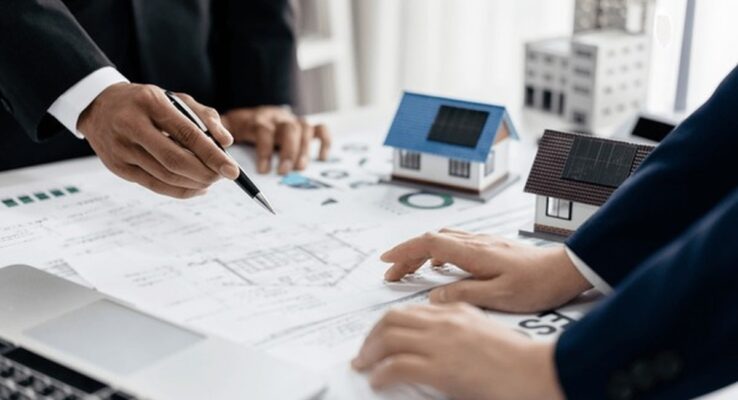
Short Description: Explore the evolution of Commercial Property in Abu Dhabi as we look toward 2026. This guide examines AI energy management, advanced security, and digital twin technology for offices.
Commercial Property in Abu Dhabi is undergoing a massive shift as the city prepares for a more digital and efficient future. When businesses look for a Commercial Property in Abu Dhabi, they are no longer just seeking floor space; they are looking for intelligent ecosystems that enhance productivity and reduce operational costs. By the year 2026, the integration of smart building features will be the standard for any high-value office or retail hub in the capital. This guide provides a detailed look at the technologies that will define the next generation of business spaces in the UAE.
The 2026 Vision for Commercial Property in Abu Dhabi
The landscape of Commercial Property in Abu Dhabi is being shaped by the UAE’s broader goals for sustainability and technological leadership. As we approach 2026, the emphasis is moving away from traditional building methods toward software-driven environments. Investors and companies are prioritizing assets that can adapt to changing workforce habits, such as hybrid work models and the need for high-performance data connectivity. A modern office in Abu Dhabi is now a data-generating asset that helps owners make better financial decisions.
AI-Driven Energy Management Systems
In any Commercial Property in Abu Dhabi, cooling is the largest expense. By 2026, Artificial Intelligence will manage HVAC systems in real-time. These systems do not just follow a schedule; they analyze occupancy sensors, outdoor weather patterns, and electricity grid pricing to adjust temperatures block by block. This level of control significantly lowers the carbon footprint of the building and reduces monthly utility bills for tenants, making the property much more attractive to international firms with strict ESG goals.
Smart Glass and Climate Control
One of the key features arriving in Commercial Property in Abu Dhabi is electrochromic glass. This “smart glass” tints automatically based on the intensity of the sun. In 2026, this technology will be connected to the building’s central AI, ensuring that the interior stays cool without blocking natural light. By reducing the reliance on artificial lighting and heavy air conditioning, these windows contribute to a more comfortable and cost-effective work environment. This is a critical factor for businesses looking to manage long-term overheads in a desert climate.
Digital Twin Technology for Facility Management
The management of Commercial Property in Abu Dhabi is becoming increasingly virtual. A digital twin is a 3D virtual replica of the physical building that updates in real-time using IoT sensors. By 2026, facility managers will use these twins to predict when a pump or an elevator might fail before the breakdown actually occurs. This “predictive maintenance” model ensures that business operations are never interrupted, protecting the reputation of the landlord and the productivity of the tenant.
Advanced Security and Access in Commercial Property in Abu Dhabi
Security is a top priority for any organization. The next few years will see a move toward completely touchless environments within Commercial Property in Abu Dhabi. This transition is driven by both hygiene concerns and the need for faster, more secure entry points for thousands of employees.
Biometric and Mobile Key Integration
By 2026, physical plastic cards for office access will be mostly obsolete. Commercial Property in Abu Dhabi will utilize facial recognition and encrypted mobile keys. Employees will be able to move from the parking garage to their specific desk without touching a single handle or button. This system is not only more secure but also provides landlords with precise data on space utilization, helping them understand which parts of the building are the most popular and why.
Cybersecurity for Physical Assets
As buildings become more connected, the risk of digital threats increases. A high-end Commercial Property in Abu Dhabi will feature its own internal cybersecurity infrastructure. This ensures that the building’s lighting, cooling, and security systems cannot be hacked. In 2026, the value of a property will be tied directly to the strength of its digital firewall, as companies will not risk their data or employee safety in a building with weak digital defenses.
Automated Parking and EV Infrastructure
The way people arrive at a Commercial Property in Abu Dhabi is also changing. By 2026, every major commercial hub will have a high percentage of parking spots equipped with rapid electric vehicle (EV) chargers. Furthermore, automated parking systems—where a robot moves the car to a storage slot—will become more common to maximize the use of limited basement space. This efficiency allows developers to build more office floors while still meeting the parking requirements of the municipality.
Health and Wellness Features in Commercial Property in Abu Dhabi
Employee well-being has a direct impact on the bottom line. Modern developers of Commercial Property in Abu Dhabi are incorporating features that improve air quality, lighting, and mental health. These are no longer luxury additions; they are essential for attracting top-tier corporate tenants who value their human capital.
Smart Air Filtration and Monitoring
Air quality in a Commercial Property in Abu Dhabi can be a challenge due to dust and high humidity. In 2026, buildings will use medical-grade filtration systems that monitor CO2 levels and pollutants in every room. If the air quality drops below a certain level, the system automatically increases the intake of fresh, filtered air. This reduces “sick building syndrome” and keeps employees alert and productive throughout the long working day.
Circadian Lighting Systems
Light has a profound effect on the human body. Future Commercial Property in Abu Dhabi developments will feature lighting that mimics the natural path of the sun. The color temperature of the LED lights will shift from a warm tone in the morning to a bright, cool blue in the afternoon, and back to warm in the evening. This helps regulate the internal clocks of office workers, reducing fatigue and improving general health. This technological application is a key selling point for premium office spaces in 2026.
Water Conservation and Greywater Recycling
Sustainability is a core pillar of Commercial Property in Abu Dhabi development. Advanced buildings in 2026 will feature local water recycling plants. Greywater from sinks and showers is treated and reused for irrigation of the building’s green walls or for cooling towers. This drastically reduces the building’s water demand from the municipal grid, lowering operational costs and aligning with the UAE’s national water security strategy.
The Evolution of Flexible Workspaces in 2026
The traditional “cubicle” layout is dead. Commercial Property in Abu Dhabi is moving toward “hot-desking” and modular office designs that can be reconfigured in a weekend. This flexibility is what modern businesses demand in an uncertain economic climate.
IoT-Enabled Desk and Room Booking
In a 2026 Commercial Property in Abu Dhabi, employees will use an app to book their workspace for the day. Sensors under the desks detect occupancy and automatically update the digital floor plan. This allows companies to occupy smaller footprints while still providing a desk for everyone who needs one. For the landlord, this means they can house more businesses within the same total area, increasing the yield per square meter.
Acoustic Engineering and Private Pods
Open-plan offices often suffer from noise issues. Future Commercial Property in Abu Dhabi designs will include sound-dampening materials and private “zoom pods” for video calls. These pods are equipped with their own climate control and high-speed data links. By providing these quiet zones, the office becomes a place where deep work can actually happen, making it more valuable than a home office where distractions are common.
Integration of 5G and 6G Connectivity
Speed is everything. A Commercial Property in Abu Dhabi in 2026 will be a massive 5G hub, with internal repeaters that ensure there are zero dead zones. As 6G technology begins to emerge, the building’s backbone must be ready to support it. High-speed, low-latency internet is the lifeblood of modern finance and tech companies, and properties that cannot provide this will quickly become obsolete.
Investment Potential of Commercial Property in Abu Dhabi
For investors, the shift toward smart buildings in the Commercial Property in Abu Dhabi sector offers a way to future-proof their portfolios. Smart buildings tend to have higher occupancy rates and can command higher rents because they offer tangible savings to the tenant.
Higher Valuation and Faster Exit
When an investor goes to sell a Commercial Property in Abu Dhabi, a “Smart Building” certification increases the asset’s value. Buyers in 2026 will look for digital maturity. A building that is already optimized with AI and IoT requires less capital expenditure from the new owner, making it a “plug-and-play” investment that attracts global capital. The liquidity of such assets is significantly higher than that of traditional, non-connected buildings.
Data as a New Revenue Stream
Owners of Commercial Property in Abu Dhabi can now monetize the data their buildings generate. For example, anonymized foot traffic data in a retail commercial space is highly valuable to market researchers. In 2026, the digital information gathered by a smart building will be considered a secondary asset, providing a new way for landlords to generate income beyond just the monthly rent check.
The Impact of Abu Dhabi Global Market (ADGM) Expansion
The expansion of the ADGM financial zone is driving the demand for high-spec Commercial Property in Abu Dhabi. International banks and law firms require a specific standard of building that includes 24/7 technical support and high-end security. Developers who focus on these smart features are directly tapping into the most lucrative segment of the tenant market in the UAE.
Challenges in Implementing Smart Features
While the benefits of smart Commercial Property in Abu Dhabi are clear, there are hurdles that developers and owners must overcome to successfully deploy these technologies by 2026.
Initial Capital Expenditure vs. Long-Term ROI
Building a smart Commercial Property in Abu Dhabi is more expensive upfront. The sensors, servers, and software systems add a significant percentage to the construction budget. However, the return on investment (ROI) is usually realized within 3 to 5 years through energy savings and lower insurance premiums. The challenge for many developers is securing the financing for these higher initial costs, even when the long-term math is favorable.
Technological Obsolescence
Technology moves fast. A system that is state-of-the-art today might be outdated by 2030. Therefore, a Commercial Property in Abu Dhabi must be built with “future-ready” infrastructure. This means using open-source protocols and modular hardware that can be easily swapped out without tearing down walls. Flexibility in the building’s digital architecture is just as important as flexibility in its physical floor plan.
Training for Facility Management Teams
A smart Commercial Property in Abu Dhabi is only as good as the team running it. In 2026, facility managers will need to be part-engineer and part-data scientist. There is a current shortage of professionals who can interpret building data and translate it into operational efficiency. Investing in staff training is a critical component of the smart building transition that many owners overlook.
Frequently Asked Questions: Commercial Property in Abu Dhabi
Will a Commercial Property in Abu Dhabi with smart features have higher rent?
Generally, yes. However, the total cost for the tenant often stays the same or decreases because the utility bills are significantly lower. Businesses are usually willing to pay a premium for a building that improves employee productivity and meets their corporate sustainability targets.
What is the most important smart feature to look for in 2026?
AI-managed energy systems are the most critical. As energy prices and environmental regulations become more stringent, the ability of a Commercial Property in Abu Dhabi to automatically minimize waste will be its most valuable asset.
Are older Commercial Property in Abu Dhabi buildings being retrofitted?
Yes, retrofitting is a major trend. Many owners of older buildings are installing IoT sensors and new building management systems to remain competitive with the new smart developments entering the market in 2026.
How does a smart Commercial Property in Abu Dhabi handle data privacy?
Reputable developers follow strict UAE data protection laws. While the building collects data on occupancy and energy use, it is usually anonymized. Biometric data for security is typically encrypted and stored locally rather than in a central public cloud.
Is 5G mandatory for new Commercial Property in Abu Dhabi?
While not strictly mandatory by law, a building without 5G integration will struggle to find high-quality tenants in 2026. Connectivity is now considered a basic utility, just like water and electricity.