
Need help? Call us:
+971 56 232 5908
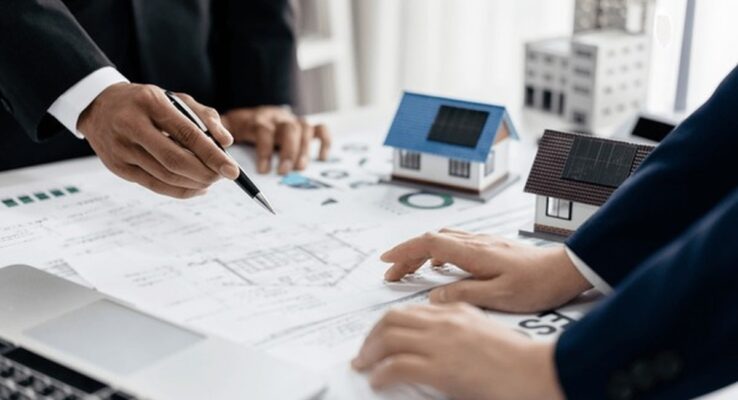
Description: Understanding Building Maintenance in Abu Dhabi is essential for property owners seeking to lower utility bills and prevent costly structural repairs through advanced technical strategies.
Building Maintenance in Abu Dhabi represents a substantial portion of any property owner’s annual budget. Given the extreme desert climate, the wear and tear on mechanical systems, plumbing, and structural facades is significantly accelerated. This description serves as a roadmap for facility managers and investors who wish to implement efficient protocols that preserve asset value while driving down day-to-day expenditures. By shifting from reactive “fix-it-when-it-breaks” mentalities to data-driven operational models, stakeholders can realize significant savings without compromising the safety or comfort of the occupants.
Financial Impact of Building Maintenance in Abu Dhabi
The cost of negligence in the UAE capital is far higher than the cost of prevention. A building that lacks a structured plan for Building Maintenance in Abu Dhabi will eventually face catastrophic system failures, especially within the HVAC and water distribution networks. These failures lead to emergency repair premiums, tenant dissatisfaction, and potential legal liabilities. Financial discipline begins with a thorough audit of current practices to identify where resources are being misallocated.
Transitioning to Predictive Maintenance Models
Implementing IoT for Early Detection
Modern Building Maintenance in Abu Dhabi relies on the Internet of Things (IoT) to monitor equipment health in real-time. Sensors placed on pumps, motors, and chillers can detect vibrations or temperature changes that precede a breakdown. By identifying these issues early, maintenance teams can perform minor adjustments instead of replacing entire units. This targeted intervention is a cornerstone of reducing operational costs because it maximizes the useful life of expensive hardware.
Data-Driven Resource Allocation
Using Computerized Maintenance Management Systems (CMMS) allows managers of Building Maintenance in Abu Dhabi to track work orders and inventory levels digitally. This data helps in identifying “bad actor” equipment that requires frequent repairs. Instead of wasting money on repeated patchwork, managers can make informed decisions about total replacement based on historical cost analysis. This level of transparency ensures that every dirham spent on upkeep is justified by data.
Economic Fact: The Rule of 10
In the field of Building Maintenance in Abu Dhabi, a repair that costs 1,000 AED to perform during a scheduled inspection can cost 10,000 AED if it becomes an emergency failure. This “Rule of 10” highlights the massive financial benefit of a proactive approach.
Energy Efficiency and Building Maintenance in Abu Dhabi
Utilities often represent the largest recurring expense for property owners in the emirate. Because of the necessity for constant cooling, the AC system consumes a disproportionate amount of electricity. Integrating energy-saving measures into the routine of Building Maintenance in Abu Dhabi is the most direct path to improving the bottom line.
HVAC Calibration and Efficiency
Chiller Plant Optimization
The chiller plant is the core of large-scale Building Maintenance in Abu Dhabi. Regular cleaning of condenser coils and the verification of refrigerant levels are mandatory tasks. However, optimization goes further by adjusting setpoints based on the time of day and external temperatures. Utilizing variable frequency drives (VFDs) on pumps and fans allows the system to scale its output to match the actual load, preventing energy waste during cooler evening hours or low-occupancy periods.
Air Handling Unit (AHU) Integrity
Leaking ducts and dirty filters in AHUs can cause the entire cooling network to lose efficiency. Part of a professional Building Maintenance in Abu Dhabi schedule must include the testing of air pressures and the sealing of any gaps in the distribution network. Ensuring that the building remains pressurized with cool air prevents the infiltration of hot, humid outside air, which otherwise forces the system to run at maximum capacity for longer durations.
Water Cost Control in Building Maintenance in Abu Dhabi
Water scarcity in the region makes water management both an environmental and financial priority. Subsurface leaks in large residential or commercial complexes are difficult to detect but can lead to thousands of gallons of loss daily. Incorporating leak detection technology into Building Maintenance in Abu Dhabi is a high-return investment.
Modern Water Infrastructure Upkeep
Smart Metering and Zonal Control
Installing smart meters at various points in the water network allows the Building Maintenance in Abu Dhabi team to monitor consumption patterns across different zones. A sudden spike in usage in a specific wing of the building indicates a potential leak. By isolating these zones, repairs can be made quickly before the water causes damage to the building structure or foundation, both of which are extremely expensive to remediate.
Graywater Recycling and Irrigation
For buildings with significant landscaping, using potable water for irrigation is a major expense. Efficient Building Maintenance in Abu Dhabi protocols now include the maintenance of graywater treatment plants. These systems recycle water from sinks and showers for use in toilets and gardens. While the initial setup requires capital, the reduction in monthly water bills often results in a full return on investment within three to five years.
Preserving the Building Envelope in Building Maintenance in Abu Dhabi
The facade and roof are constantly under attack from UV radiation and salt-laden air. If the exterior is neglected, the building’s thermal performance degrades. A major goal of Building Maintenance in Abu Dhabi is to maintain a tight building envelope to minimize heat transfer from the exterior to the interior.
Facade and Roofing Maintenance
Reflective Coatings and Insulation
Applying heat-reflective paints or “cool roof” membranes can lower the surface temperature of the building by several degrees. This is a vital strategy for Building Maintenance in Abu Dhabi because it directly reduces the cooling load. Furthermore, inspecting the insulation in the walls and attic prevents “thermal bridging,” where heat enters through structural gaps. Professional maintenance teams use thermal cameras to identify these weak points during annual inspections.
Glazing and Sealant Replacement
The silicon sealants used around windows can dry out and crack in the intense UAE sun. Once these seals fail, humidity enters the building, leading to condensation and mold growth inside the walls. A proactive Building Maintenance in Abu Dhabi plan includes a five-year cycle for sealant replacement. While this involves upfront costs for scaffolding or rope access, it prevents the massive expense of mold remediation and structural repair that occurs if humidity is allowed to penetrate the interior spaces.
Workforce Management and Building Maintenance in Abu Dhabi
Labor is a significant variable in maintenance costs. Having a large “in-house” team can be inefficient if they are only busy during emergencies. Conversely, relying entirely on expensive third-party contractors can inflate costs. Finding the right balance is key to successful Building Maintenance in Abu Dhabi.
Staffing and Training for Efficiency
Cross-Training Technical Staff
Training technicians in multiple disciplines—such as electrical, plumbing, and basic HVAC—improves the responsiveness of the Building Maintenance in Abu Dhabi team. A single technician who can diagnose and fix a minor electrical fault while performing a plumbing check saves the time and travel costs of dispatching multiple specialists. This flexibility reduces the total headcount required to manage a large facility.
Outsourcing Specialized Services
For tasks requiring expensive specialized equipment, such as elevator certification or fire suppression system testing, outsourcing is usually more cost-effective. The Building Maintenance in Abu Dhabi manager must negotiate performance-based contracts that penalize downtime. This ensures that the service providers are motivated to perform high-quality work that prevents future issues, rather than just performing the bare minimum required by the contract.
Detailed FAQ: Optimizing Building Maintenance in Abu Dhabi
How can I lower my AC bill through Building Maintenance in Abu Dhabi?
Ensure that your AC filters are cleaned monthly and your coils are deep-cleaned annually. Additionally, calibrating the Building Management System (BMS) to avoid cooling empty spaces can save up to 20% on electricity costs.
What is the benefit of a 24/7 maintenance desk?
A centralized helpdesk for Building Maintenance in Abu Dhabi allows for the rapid logging and categorization of issues. Catching a minor water drip at 2 AM prevents a major flood by 8 AM, drastically reducing the cost of repairs and cleaning.
How often should I conduct structural audits in the capital?
A comprehensive structural audit should be part of your Building Maintenance in Abu Dhabi plan every three to five years. This is especially important for buildings older than ten years or those located near the coastline where salt corrosion is a major risk.
Can software really reduce my maintenance expenses?
Yes. CMMS software reduces “paperwork” time for technicians and provides the manager with inventory alerts. This prevents the rush-ordering of parts, which often comes with high shipping fees and premiums, a common drain on Building Maintenance in Abu Dhabi budgets.
Is LED lighting still a good investment for buildings?
Absolutely. Switching to LEDs with motion sensors in corridors and parking lots is a basic but highly effective part of Building Maintenance in Abu Dhabi. The reduction in both electricity consumption and the frequency of bulb replacements offers a rapid payback period.
The Future of Building Maintenance in Abu Dhabi
The industry is moving toward “Autonomous Buildings” that utilize AI to predict and resolve issues before they are even noticed by the occupants. As Abu Dhabi continues to lead the way in smart city technology, the role of Building Maintenance in Abu Dhabi will become increasingly technical. Future-proofing your property requires an openness to these technological advancements and a willingness to invest in the skills of your maintenance staff. By focusing on sustainability and efficiency today, you ensure the long-term profitability of your real estate assets. The capital’s economic landscape favors those who manage their properties with precision and a long-term perspective. A well-maintained building is not just a safer place for residents; it is a more valuable financial asset that commands higher rents and experiences fewer operational disruptions. Ultimately, the goal of Building Maintenance in Abu Dhabi is to create an environment where the systems work so efficiently that they are invisible to the user. Achieving this requires a commitment to excellence and a disciplined approach to every aspect of the facility management lifecycle. By following these guidelines, you can ensure that your property remains a benchmark for quality and cost-effectiveness in the competitive UAE market.